GreenmarketsDowntown · near Shattuck Parkfree
Neenah Farmers Market
The Saturday-morning market of the growing season, downtown by Shattuck Park — produce, cheese, flowers and bakers from around the Fox Valley. Run by Future Neenah.
✓ Future Neenah
Parks, free workouts, playgrounds, piers, mailboxes, shipping counters. No ads, no ranking games — just what's there, with its source.
The Saturday-morning market of the growing season, downtown by Shattuck Park — produce, cheese, flowers and bakers from around the Fox Valley. Run by Future Neenah.
The city library on Wisconsin Avenue — children's room and storytimes, meeting spaces, to-go craft kits and the usual free run of books, computers and quiet.
The island park around the Doty Cabin — pool, ballfields and picnic ground under bur oaks, on the Neenah half of Doty Island.
The lakefront point where the Fox meets Lake Winnebago, with the 1945 lighthouse, wide lawns and the open water of Wisconsin's largest inland lake beyond — the city's front porch on the lake.
The green riverbank along the Fox as it leaves the lake — bandshell, boat access and shade, the setting for summer concerts and the Fourth of July. The Bergstrom-Mahler glass museum sits at its edge.
The downtown pocket park on the river, gazebo and lawn, host to the noon-hour concert series and the farmers market — the plaza where Neenah gathers a block off Wisconsin Avenue.
The city's post office carries the same 54956 this edition is cut to.
What's on the walls and in the halls — street art, landmarks, movie scenes, the museums and stages of the ledger — and the zips this one is twinned with, by decree and by geometry.
A reconstruction of the log home territorial governor James Duane Doty finished in 1845 on the island that bears his name. Doty — 2nd governor of Wisconsin Territory, later governor of Utah Territory — shaped Neenah and Menasha for forty years; his cabin sits in Doty Park among the old oaks.
The compact downtown along Wisconsin Avenue and Commercial Street — brick storefronts, the landmark clocktower, and the paper-era mansions of the wealthy just beyond — is the walkable heart of the city, steps from the river.
The brick lighthouse where the Fox River leaves Lake Winnebago, built in 1945 by paper man J.C. Kimberly and given to the city — Haydite block and brick, still marking the outlet. Listed on the National Register of Historic Places in 2013, it stands in Kimberly Point Park at the very tip of the point.
Neenah turned the drop of the Fox at the lake outlet first into flour and then, after 1866, into paper. Kimberly-Clark was founded here in 1872; the mills drew waves of immigrant workers and ran the town day and night. The riverfront still carries that industrial spine.
Neenah holds no distant sister-city charter — its true twin sits across the water: Menasha, with which it shares Doty Island at the outlet of Lake Winnebago, and a rivalry older than either city's incorporation. Together they anchor the Fox Cities, the string of paper towns down the Fox River toward Appleton.
Neenah's exact antipode falls in the empty Southern Indian Ocean. The nearest land, more than 1,300 km northwest, is Île Amsterdam — a lonely French volcanic island whose only inhabitants are the few dozen staff of the Martin-de-Viviès research base, among a feral herd of cattle and one of the world's rarest albatrosses. A paper town on an inland lake, and a weather station at the end of the sea, exactly opposite on the globe.
Same parallel, longitude flipped across Greenwich — and the point lands in the Dzungarian Basin of northwest China, out by the Gurbantünggüt Desert. The nearest city is Ürümqi, which holds a strange distinction: it is the most landlocked major city on Earth, the farthest of any from the sea. Neenah, a town built entirely around its water, shares a latitude almost to the minute with the driest heart of a continent.
Latitude mirrored below the equator, same meridian: the point drops into the South Pacific off southern Chile. The nearest land, more than 1,100 km east, is the Chonos Archipelago and the island of Chiloé — a maze of cold Patagonian fjords, wooden churches and rain. The same parallel as Neenah, carried to the far side of the equator and the far edge of another continent.
The zip's other residents — the animals, plants and corals you can actually meet here, with where to find them and when they show up.
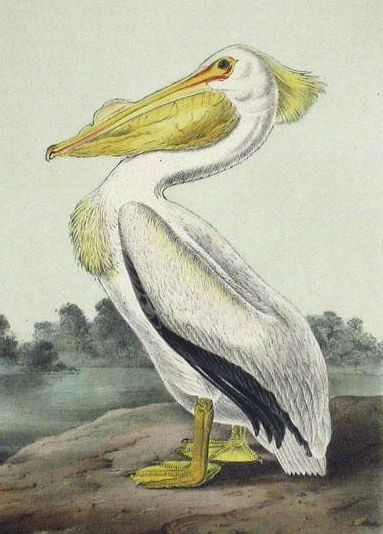
Once gone from Wisconsin, now back in squadrons on the Fox — huge white birds fishing in cooperative rings below the dam. One of the great recovery stories on the river.
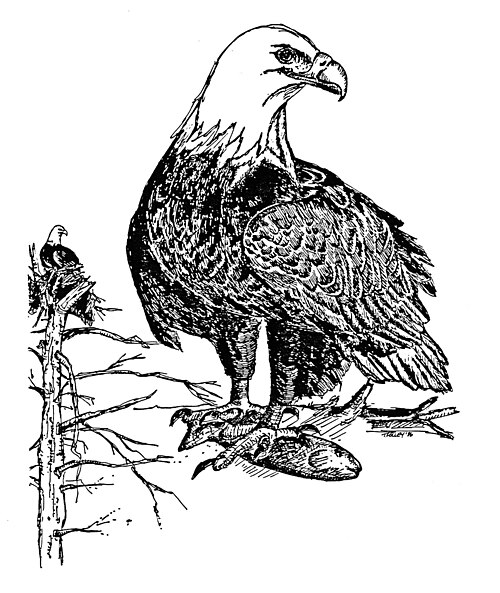
Through winter, when the fast water below the outlet stays open, eagles gather on the Fox to fish and to watch the ice — a common sight now over the lighthouse.
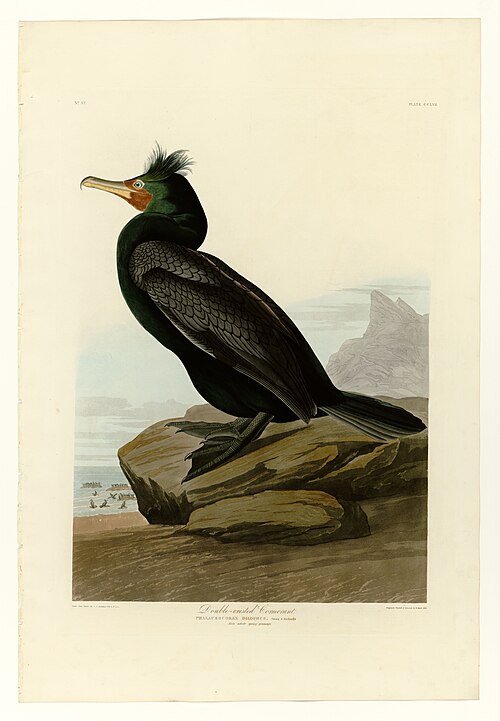
The black diving bird of the lake, drying its wings on the pilings and breakwaters — a fisher that shares the sturgeon's water.
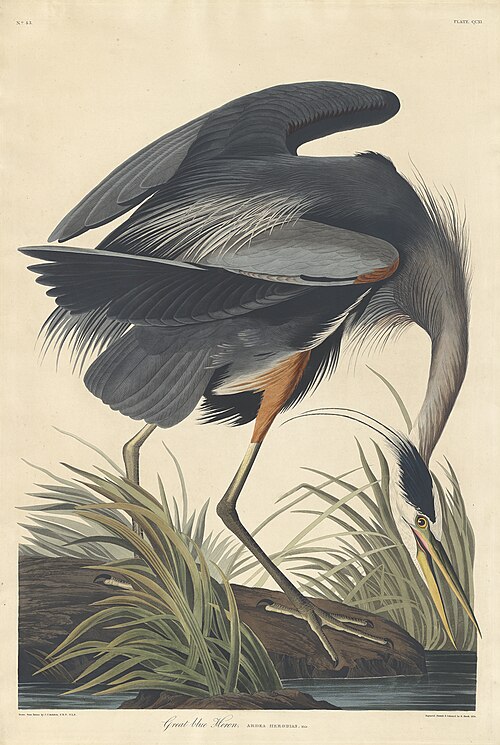
The patient grey wader of the river shallows and shoreline, statue-still until it strikes.
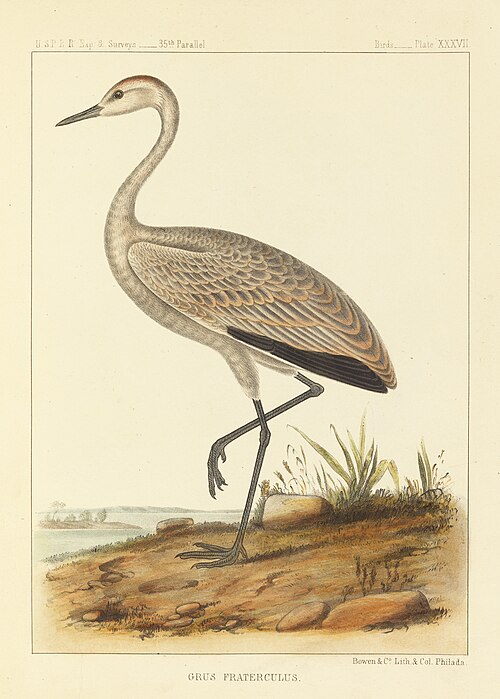
Sandhill cranes bugle across the marshes and fields around the Winnebago pool, tall grey birds returned in numbers to the Fox Valley wetlands.
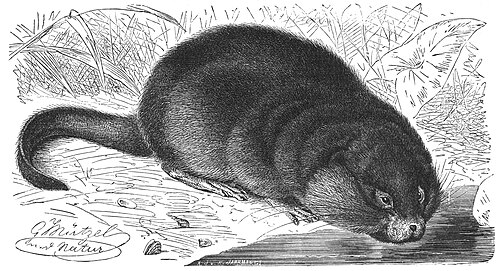
The marsh rodent of the Winnebago shoreline, building its reed lodges in the cattails — long a staple of the Fox Valley fur trade.
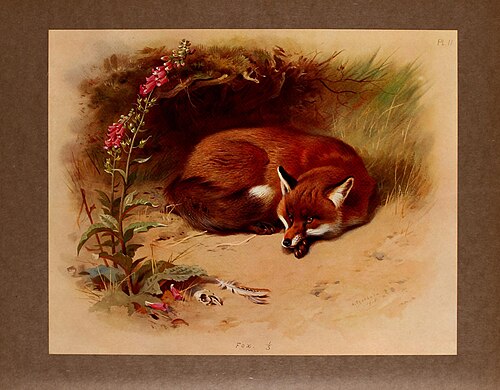
Trotting the park edges and rail lines at dawn and dusk, at home in the seam between town and river.
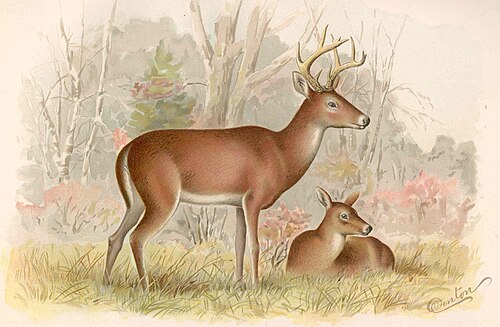
Wisconsin's deer, browsing the wooded edges of the parks and islands even inside the city.
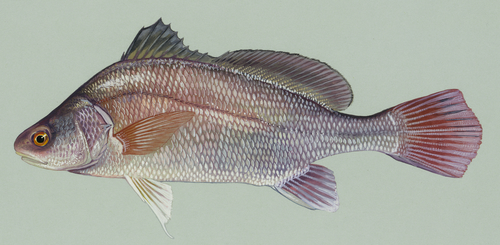
The "sheepshead" — a native drummer that grunts with its swim bladder, rooting the lake bottom for snails and zebra mussels.
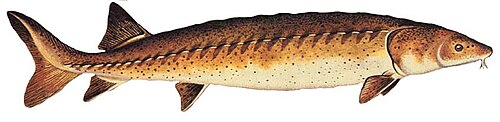
The armored giant of Lake Winnebago and the living emblem of the whole system — a fish that can pass a hundred years and top six feet. Winnebago holds the largest self-sustaining population on Earth, speared through the ice each February.
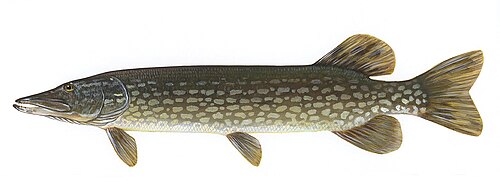
The long green ambush predator of the weed edges and river backwaters, all teeth and speed.
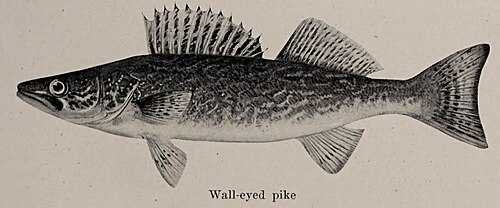
The prize game fish of the Winnebago system, running up the Fox and Wolf to spawn each spring — and the fillet on a Friday plate across the Fox Valley.
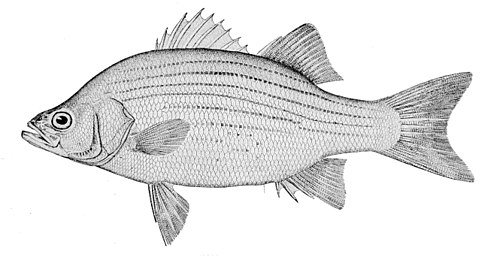
Silver and schooling, it storms up the Fox River in early summer in a run that fills the banks with anglers.
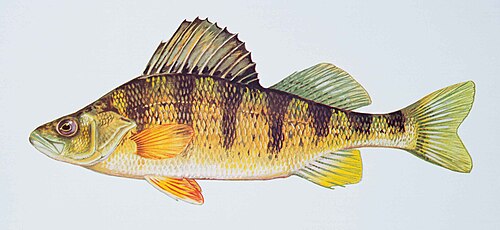
The little striped panfish that feeds the lake's whole food web — and the classic of the Wisconsin Friday fish fry.
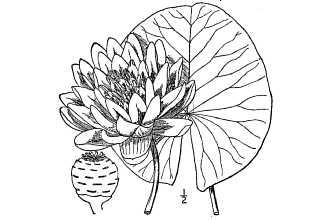
White cups floating on the quiet bays and river backwaters, opening with the morning sun.
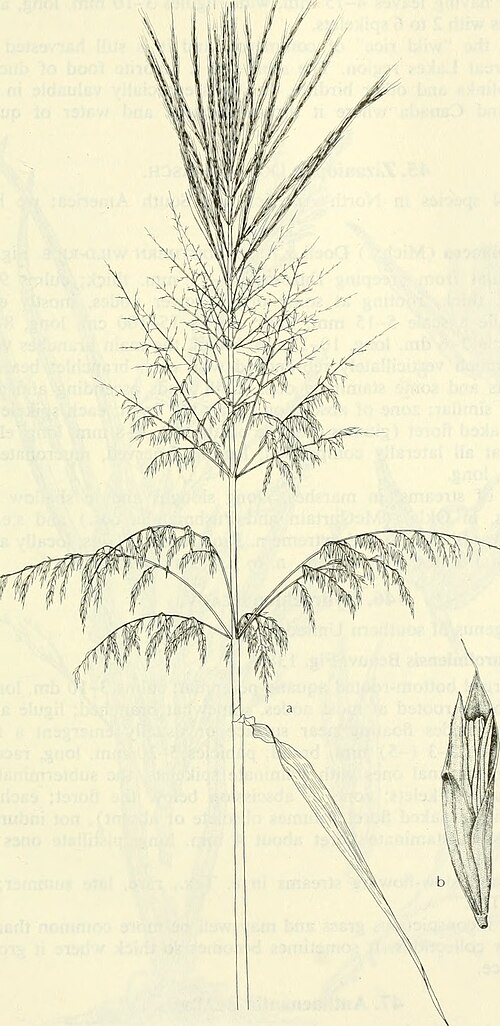
Manoomin — the grain that grows on the water of the upriver lakes and gave the Menominee, the "wild rice people," their name. A living tie between the marsh and the first people of the Fox.
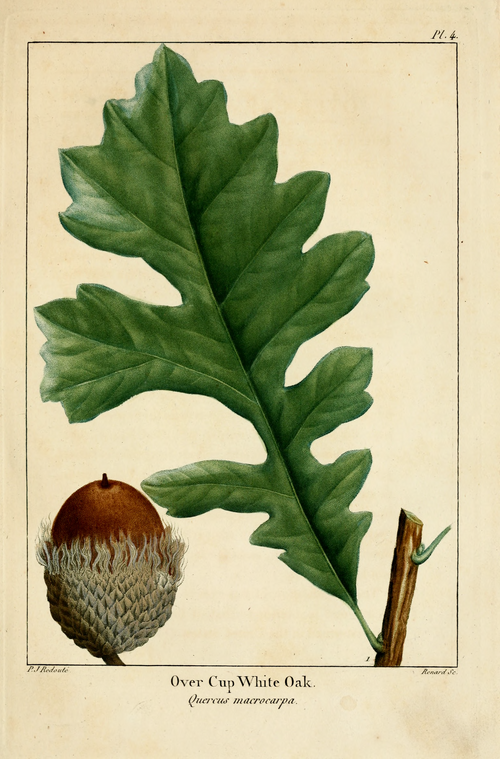
The thick-barked, fire-tough oak of the old openings — the great spreading trees that shade Doty Island and the island parks.
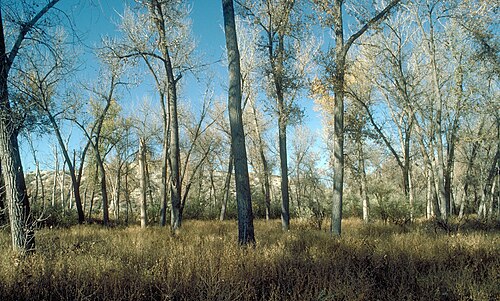
The big riverbank poplar that snows the shoreline with cotton in June and rattles its leaves all summer.
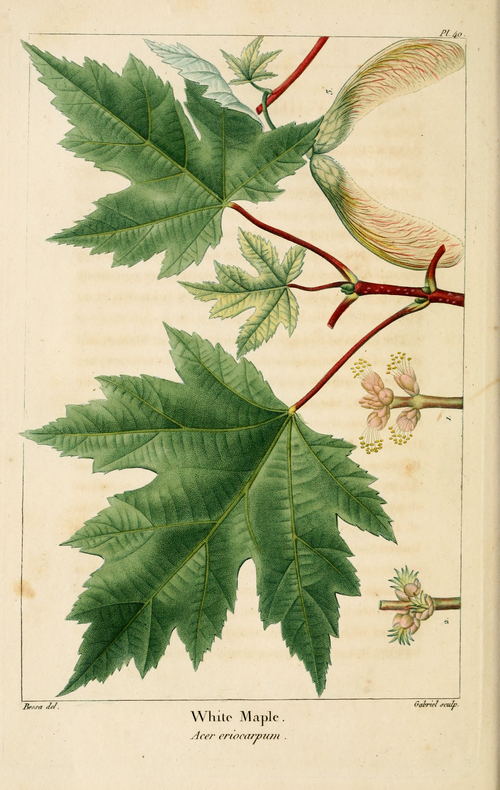
The fast, water-loving maple of the Fox floodplain, silver-backed leaves flashing in the river wind.
Every way in, out and across the zip — the trains and where they're headed, the buses, the bike docks, a cab when you need one, and what to do with a car.
Valley Transit links Neenah to Menasha, Appleton and the rest of the Fox Cities; downtown is the local hub.
The block from below and at the corner — the traffic signals that time the street, and the manholes, drains and subway mouths that open onto everything running beneath it. Counted from OpenStreetMap; the parts no city publishes are named, not guessed.
No traffic signals ledgered yet — they come in from OpenStreetMap on the next sync.
Nothing ledgered under the street yet — manholes, drains and subway access arrive on the next OpenStreetMap sync.
Every café, restaurant, bar and counter on the ledger — typed and faceted straight from the knowledge layer.
The zip's flagships, staples and indies, the brands they carry, and the shared product vocabulary underneath — the graph an integrated zip-POS would settle against. 0 retailers · 0 brands tracked.
The block's human makeup — the cohorts, the day-vs-night swell, the mix of who shows up. Set a lens up top and you'll see yourself among the neighbours.
About 6.7k more people are here by day than sleep here.
Every seat that holds power over the block, from the community board to the president. The template ships the seats; each edition fills the names from a dated source — an open seat means not yet sourced, never guessed.
The police surveillance technology documented over this block — plate readers, cameras, drones, face recognition and the rooms that pool them. Counted from the Atlas of Surveillance; a category with none documented is marked as such, never guessed, because absence of a record is not proof a tool isn't in use.
Software that matches faces from cameras or photos against a database to put a name to a person — often without their knowledge or consent.
Cameras that photograph every passing plate and log where and when it was seen, building a searchable map of a car's movements over months or years.
“Stingray” devices that impersonate a cell tower so nearby phones connect to them, revealing the location and identity of every handset in range.
Algorithms that forecast where crime will happen or who is likely to be involved, directing patrols and scrutiny toward people and blocks by statistics.
Unmanned aircraft used for aerial surveillance, crowd monitoring and, increasingly, as first responders dispatched to calls with cameras rolling.
Networks of always-on microphones on streetlights and buildings that listen for gunfire — and can capture voices — then send police to the sound.
AI layered onto camera feeds to automatically flag people, objects or behaviour, and to search hours of footage for a shirt colour, a bag, a face.
A roster of private security cameras — doorbells, shops, homes — that residents register or connect, letting police pull footage from across the block.
Cameras worn by officers. A record of encounters that can protect the public — but also a mobile, searchable feed whose footage the department controls.
Commercial services that pool phone, location, social-media and public records into one search, letting police buy access to data they'd need a warrant to collect.
A control room fusing live camera, plate, gunshot and phone feeds onto one wall — the hub that turns scattered sensors into continuous watching.
A state or regional office where local, state and federal agencies share intelligence — pooling records on people across jurisdictions with little public oversight.